
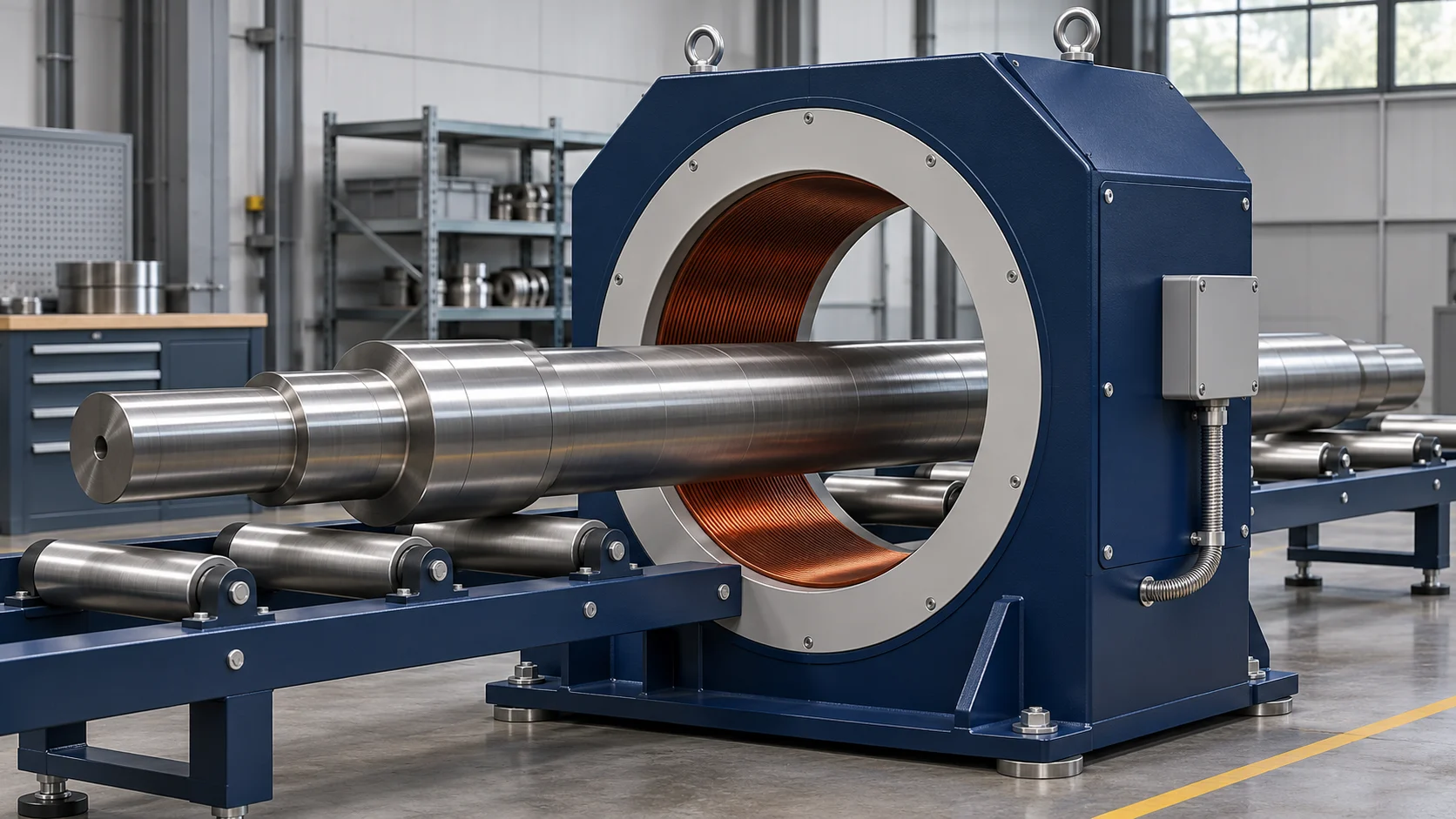
Applications & workpieces.
Explore the workpiece materials, shapes and production tasks suited to this equipment.

- Ferromagnetic shafts, rings and machined parts
- Components following magnetic particle inspection
- Residual-field measurement at specified points
- Workpiece transfer to the next production operation
How the process works.

- 01Load the component
- 02Demagnetize
- 03Measure residual field
- 04Transfer
Process stages.
Demagnetization process: workpiece transfer, coil treatment and residual-field measurement.

Equipment options.
Explore workpiece fixtures, process stages and handling options for your components.
| Equipment feature | Available arrangements | Your application |
|---|---|---|
| Workpiece | Material, geometry and weight | Previous magnetization and part handling |
| Residual field | Measurement after demagnetization | Target value, units and measurement points |
| Part handling | Workpiece positioning and transfer | Orientation, spacing and connection to the next station |
Reduce residual magnetism before the next operation.
Residual magnetism can be a requirement after magnetic particle inspection. The demagnetization process is selected around the component material, shape and previous magnetization.

Handling for your workpiece range.
Part weight, section changes and loading orientation influence the handling arrangement. Drawings and sample parts help select workpiece positioning and transfer.

Measure at the required locations.
Residual-field measurements use the agreed units and measurement points. Include the required limit and the next manufacturing operation when preparing your enquiry.
Define the residual-field check before selecting a layout
State the downstream requirement first. Agree where and how residual field will be measured, then evaluate representative parts in their expected orientation.
- Workpiece material, dimensions and previous magnetization
- Residual-field limit, units and measurement points
- Orientation and transfer to the next station
- Component material, geometry and mass
- Previous magnetization process
- Residual-field target with units
- Measurement method and locations
- Handling and downstream operation
Your equipment
questions, answered.
Find answers about materials, part handling and inspection or cleaning processes.
Which materials are suitable for magnetic particle inspection?
Magnetic particle inspection is used for ferromagnetic components, including suitable steel and iron parts. Aluminium, copper and other non-ferromagnetic materials require a different inspection method.
Include the material grade and manufacturing condition with your enquiry.
What information is needed for demagnetization?
Include the residual-field limit, units, measurement method and measurement points. Component material, previous magnetization and the next operation help select the process and handling.
For a new part family, representative components help evaluate the demagnetization process.
Which part features affect demagnetization?
Material, geometry, weight and previous magnetization influence the process. Part orientation and movement restrictions guide loading and transfer.
Share the required residual field and the operation that follows demagnetization.
How should sample parts be prepared?
Label each component to match its drawing and include the material and manufacturing condition. For cleaning trials, preserve the contamination normally found in production and describe any special handling requirements.
Contact us about the sample quantity, packing and return arrangements before shipment.
What should an engineering enquiry include?
Include component drawings, material, weight, manufacturing condition, target output and the required inspection or cleaning result. Add loading preferences, floor space and available site services.
The smallest and largest variants help plan fixture changes and workpiece clearance.
Where should residual magnetism be measured?
Measurement points follow the component requirement and the surfaces relevant to the next operation. Include these points, the required units and the measurement method with your residual-field limit.
The agreed locations make the result useful for the component.
Can demagnetization follow magnetic particle inspection?
Demagnetization can be considered after a magnetizing or inspection operation. Component material, previous magnetization, transfer and the residual-field requirement guide the arrangement.
State whether the next station needs a particular loading orientation.
Why are sample parts useful for demagnetization?
Representative parts help evaluate the relationship between material, geometry, previous magnetization and the required residual field. They also help assess positioning and transfer.
Include the smallest and largest variants where the workpiece range changes significantly.
Connect the details.
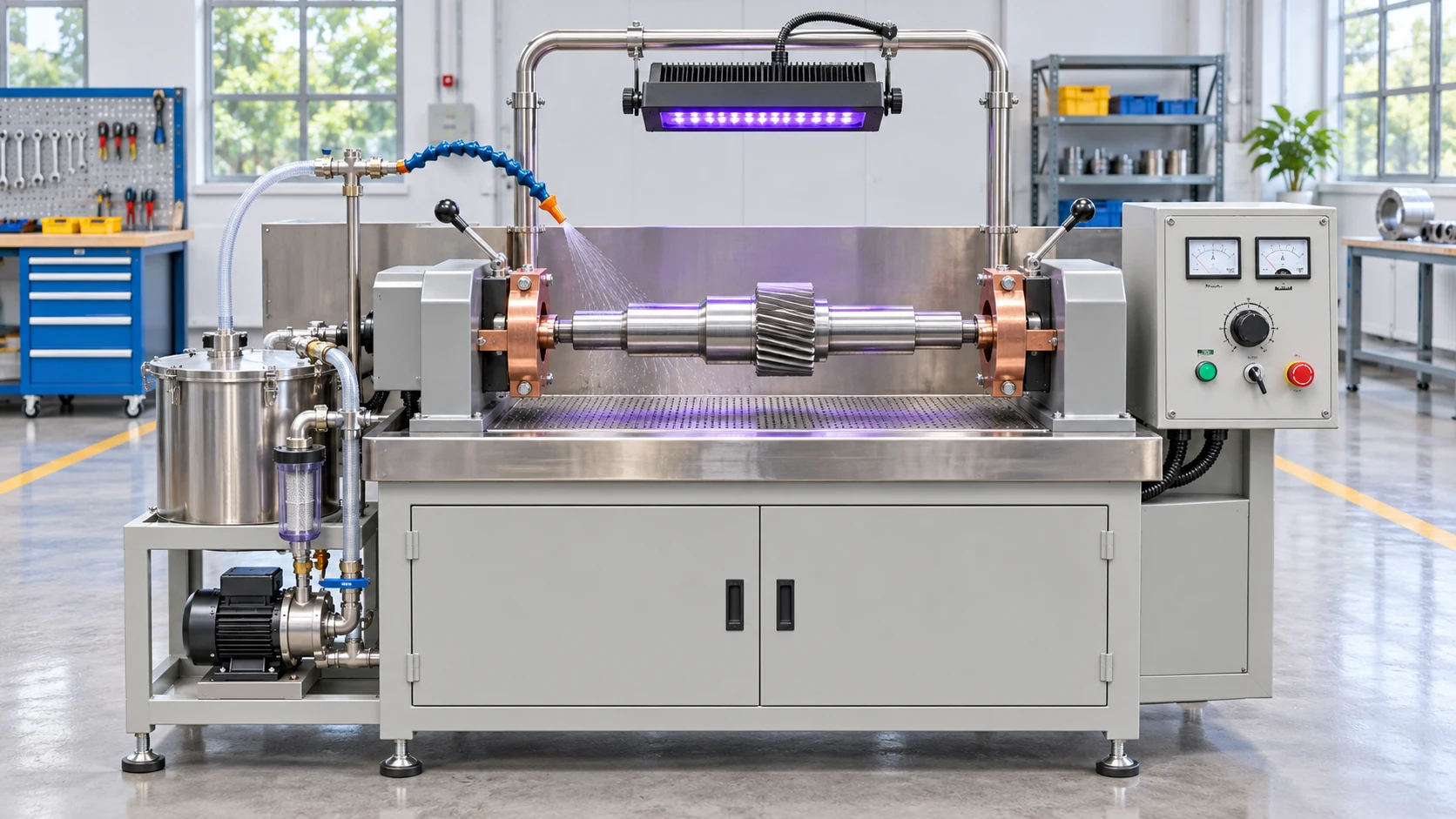
Magnetic particle inspection equipment
Plan fluorescent magnetic particle inspection for ferromagnetic shafts, rings and machined parts. Compare workpiece handling, magnetization and operator access.
Explore the application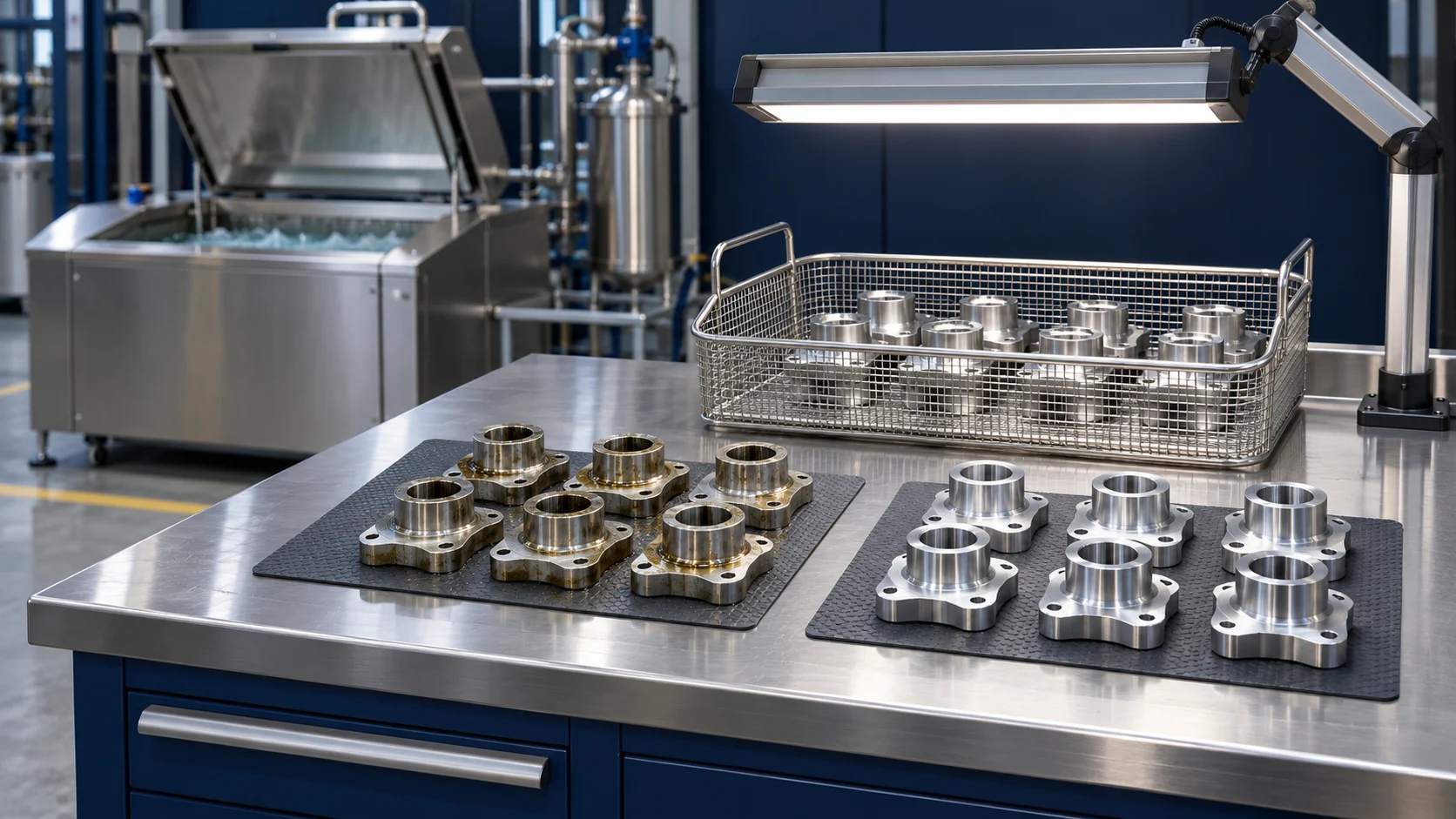
Sample testing for your parts.
Prepare representative components for a cleaning or magnetic particle inspection trial. Define incoming condition, test procedure and acceptance before comparing results.
Explore the application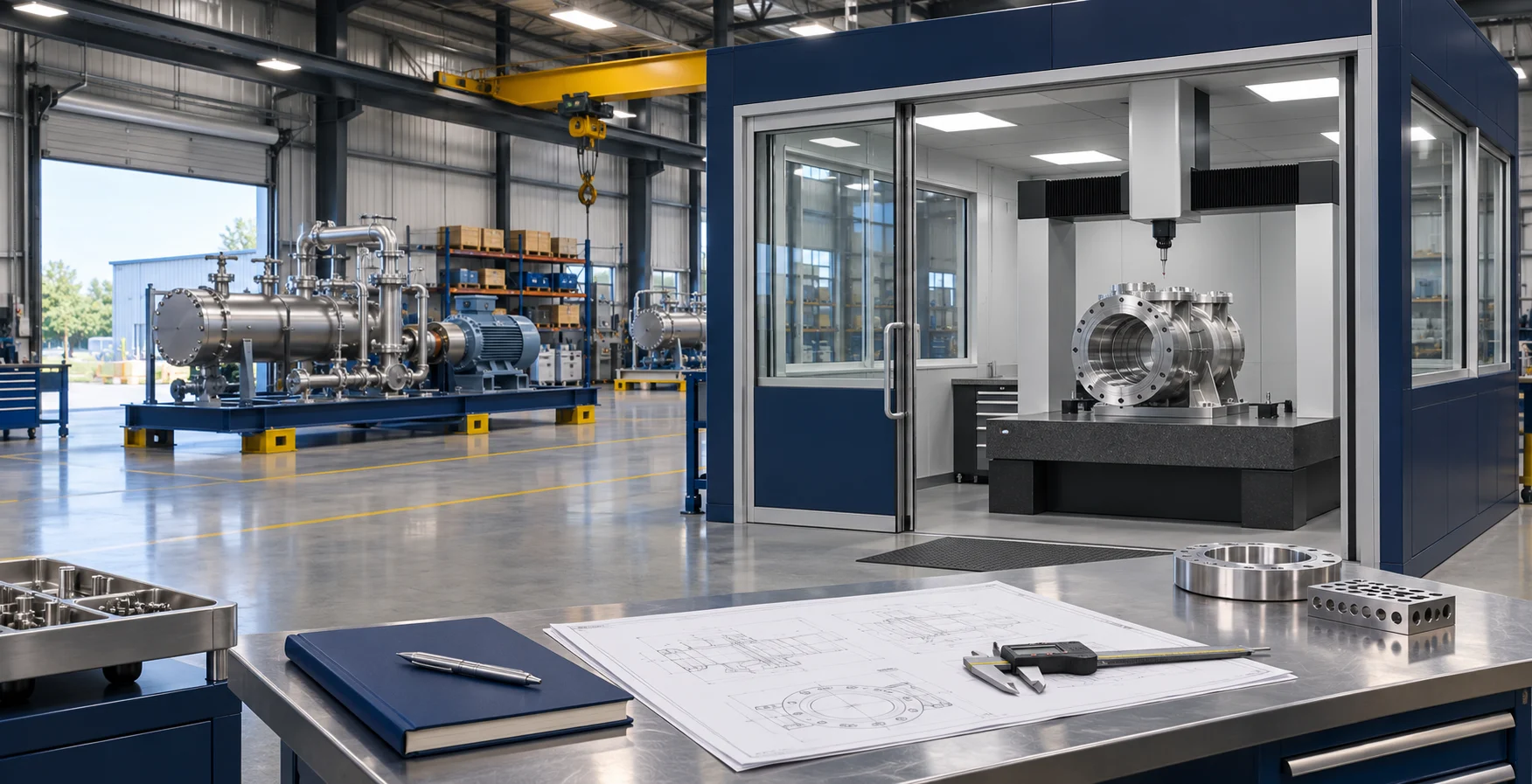
Engineering the process. Connecting production.
Plan the interfaces between inspection or cleaning equipment and the production line: part transfer, line height, controls, utilities and site acceptance.
Explore the application