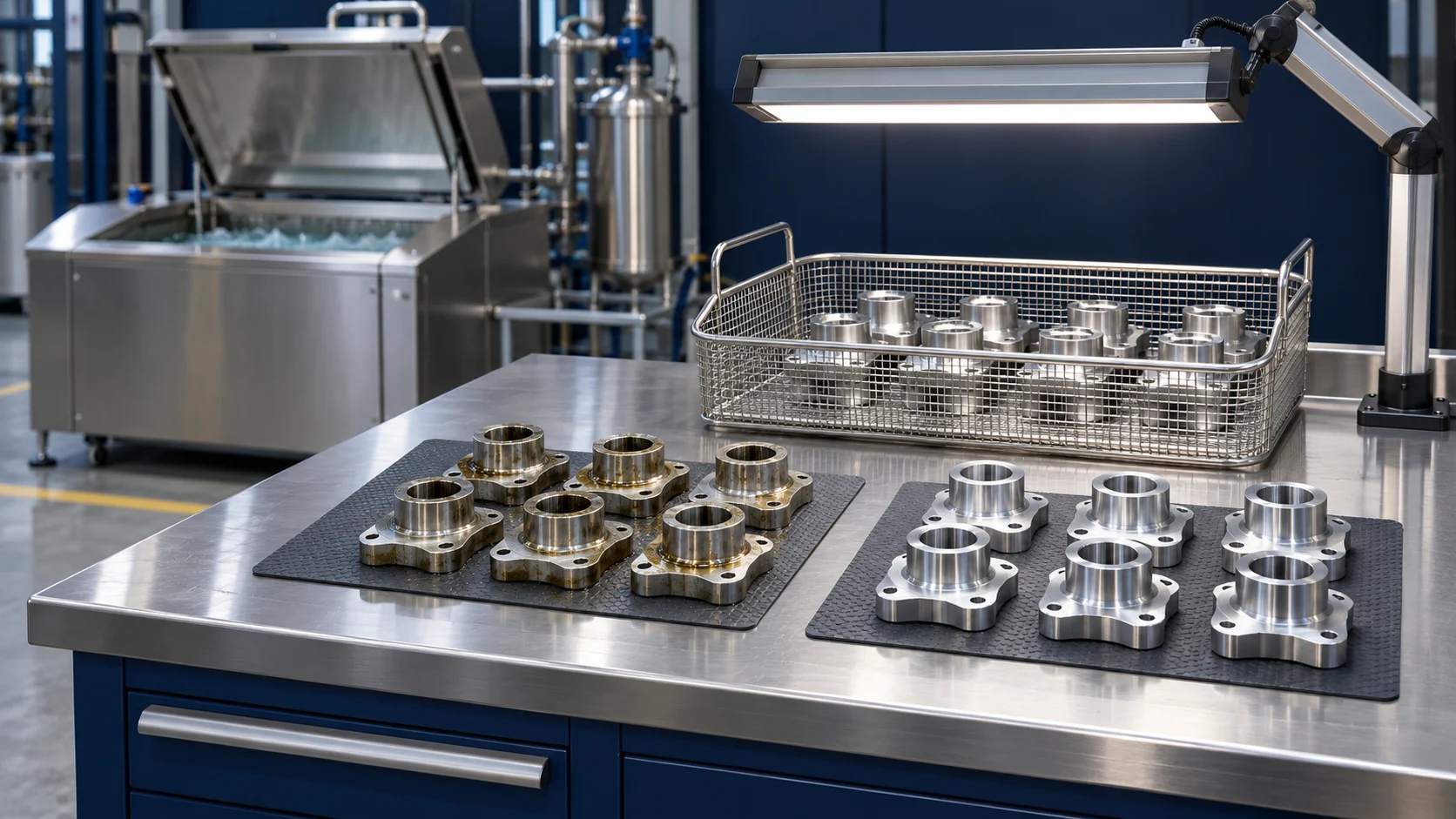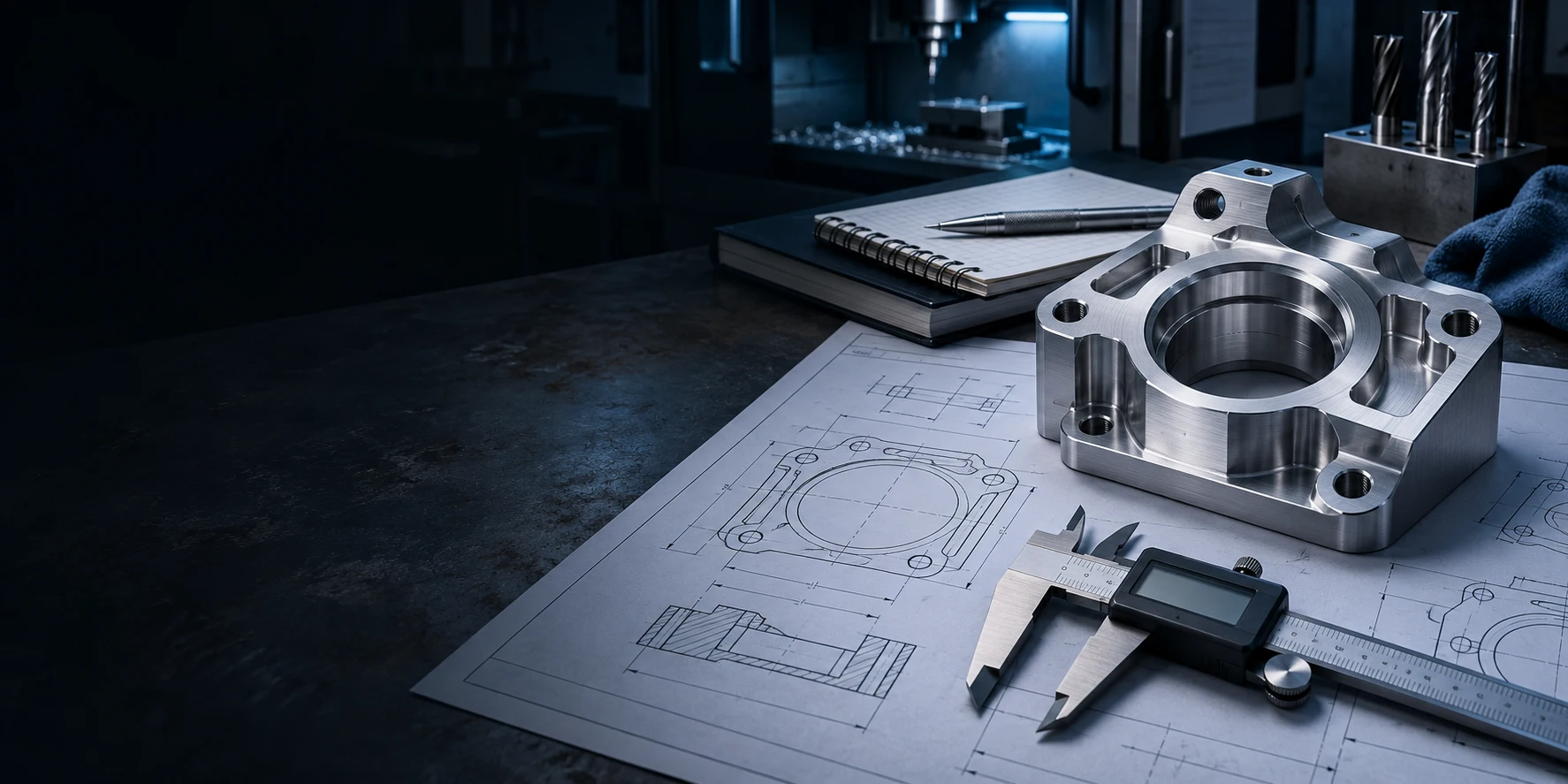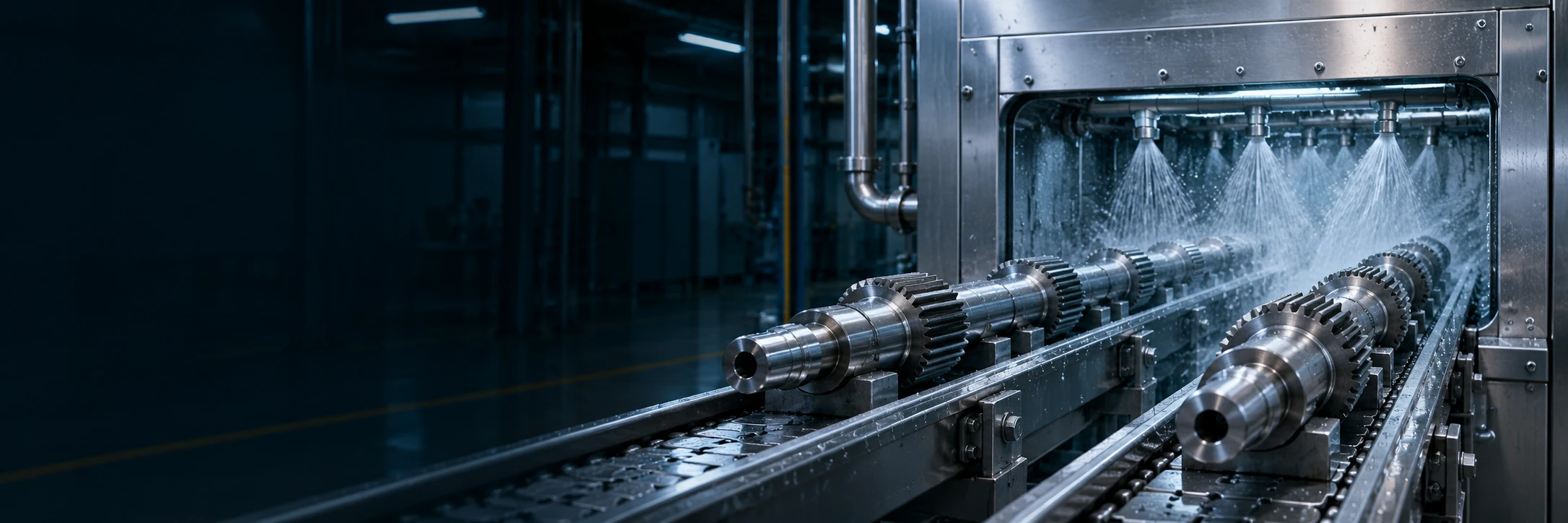
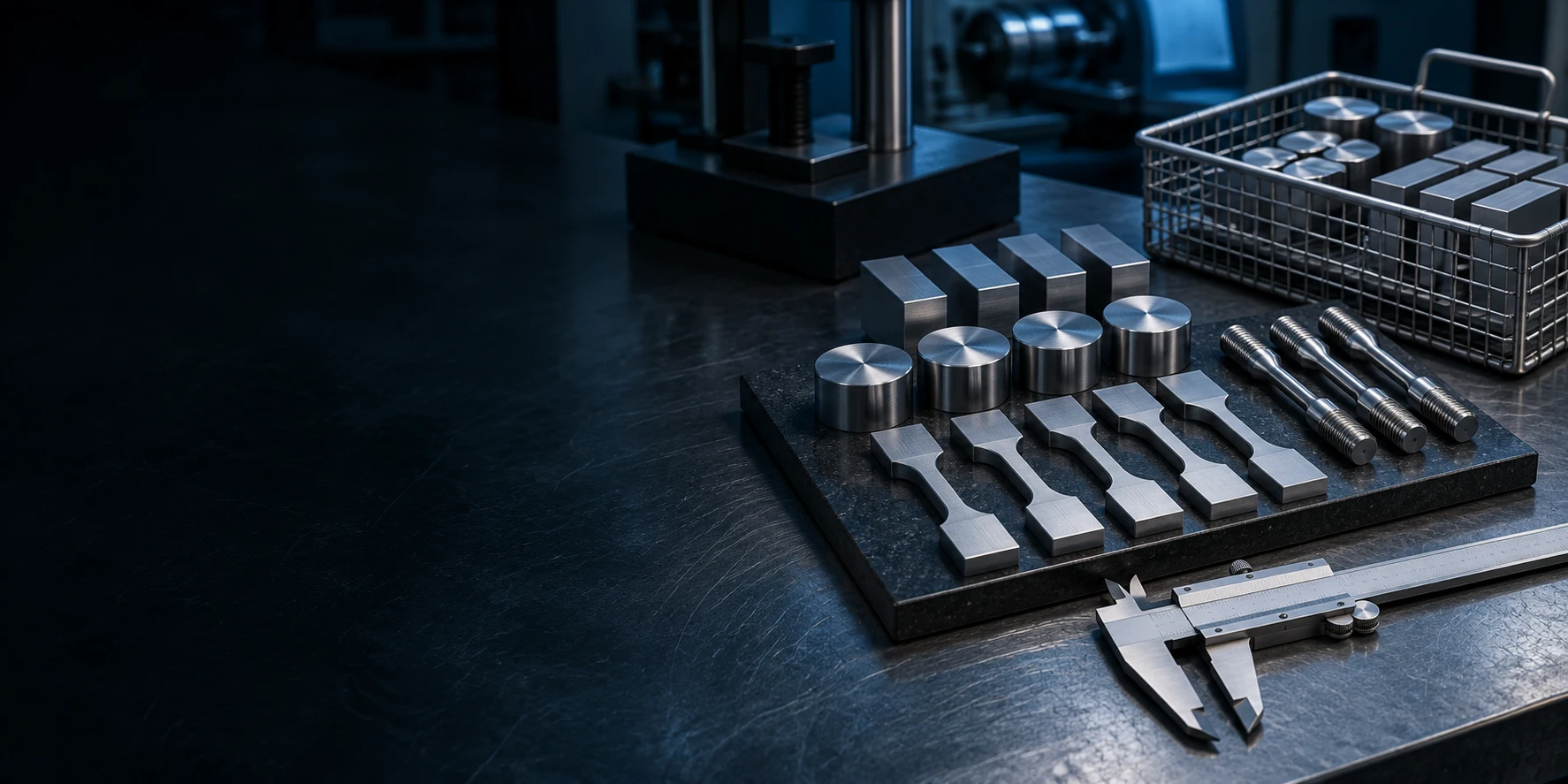
Equipment trials use representative components to explore a cleaning or inspection process. Prepare sample parts, drawings, production information and the required measurements to make the evaluation useful for equipment selection.
Choose the trial objective

A cleaning trial can explore incoming residue removal, access to difficult surfaces, drying or a specified particle-cleanliness requirement. An MPI trial can explore workpiece handling, magnetization, particle application and access for operator inspection.
Describe the required result in terms of the component and its next production operation. This helps select the process steps and the measurements to use during the trial.
Prepare representative components

Include parts that represent the range of sizes, weights and handling needs. Label each sample to match its drawing and describe the manufacturing condition.
For cleaning trials, preserve the contamination found in production. Include information about machining fluids, storage and any special handling requirements. For MPI, provide the material grade, inspection areas and applicable procedure, along with contact or surface restrictions.
The sample quantity, packing and return arrangements can be discussed before shipment. Include drawings for any component variants that affect the proposed fixtures or loading pattern.
Select the evaluation method
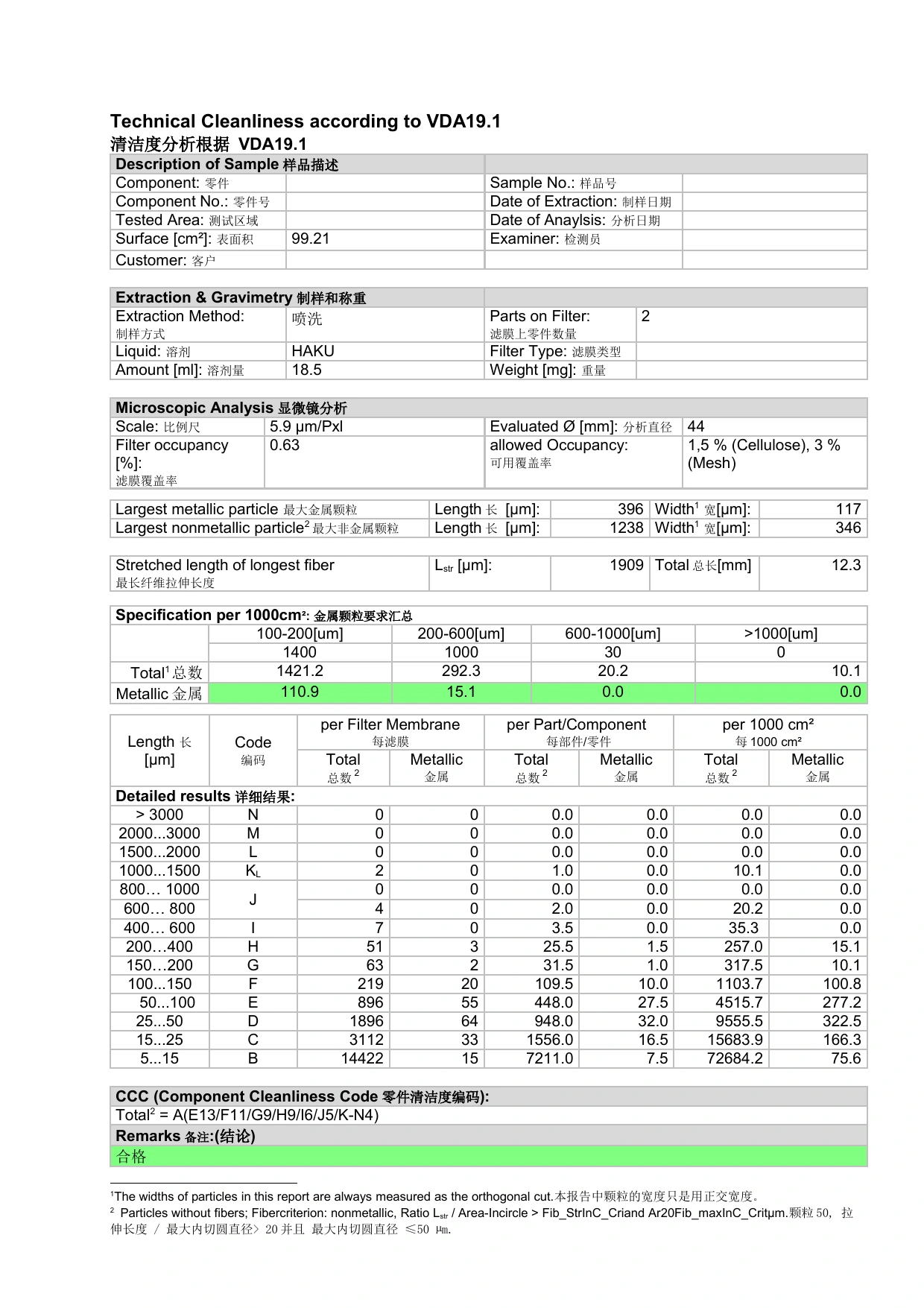
Cleaning results can be assessed by surface appearance, dryness or the specified particulate-cleanliness method. Include the required measurements and acceptance criteria so the trial can address the finished part condition.
For particulate analysis, the sample identity, number of parts and sampling basis connect the result to the component. Where comparisons are needed, use the same extraction and analysis method for the samples being compared.
For MPI, provide the inspection procedure and viewing requirements. If demagnetization is included, add the residual-field limit, units and measurement positions.
Plan the loading and process sequence

Part orientation, fixture contacts and loading density affect access to the workpiece. For cleaning, consider drainage between treatment stages. For inspection, consider clamping, magnetization and the operator viewing position.
Include the proposed handling method and required output. This helps connect the sample trial with the planned loading, transfer and staffing arrangement in production.
Use the results in your equipment proposal

Process settings, workpiece loading and evaluation results help select treatment stages and fixtures. They also help identify changes needed for other components in the family.
The equipment proposal brings together the process, handling and installation layout. The technical agreement then covers equipment functions, interfaces and acceptance requirements. Delivery and commissioning planning includes the site services and access needed at the installation location.
Your sample-testing checklist

Prepare the part list, drawings, material, incoming condition, required finish and target output. Add the inspection or measurement procedure, loading preference and site information. Confirm sample packing and shipping arrangements with the project contact.
Learn more about sample testing, explore inspection equipment and parts washers, or prepare your project enquiry.
Ready to explore equipment for your parts?
Bring your drawings, process requirements and production targets into your enquiry.
Organize your requirements